The Epiphany of the Lord (C); 01-02-2022
Is 60:1-6. Ps 72. Eph 3:2-3. Mt 2:1-12
Deacon Jim McFadden
Today we celebrate the Epiphany, the arrival of the Magi, traditionally described as a trio based on the three gifts they brought as they came to the humble cave of Bethlehem. The Church tells the story of the three kings of how they responded to the coming of the Messiah. We may ask: how did these learned men from the East—some say as far away as Persia—ended up in an obscure town of Bethlehem? They were following a light; better,
they were searching for the Light because something deep within their minds and hearts that would address their deepest yearning: they were seeking the Light of Christ.
We are compelled to do so because we are hard-wired to be in communion with God because we are made in the image of God: we come from God and are meant to return to God. As such, we have a light within us, call it our ‘soul’, that naturally gravitates towards the source of our very being. As we follow this light we will inevitably encounter the Lord, who is Immanuel—God among us.
So, the three Wise Men saw the Star, they followed it. But, the question arises: why did they see the Light, but others did not? The inhabitants of Jerusalem did not; they did not see it but carried on their normal affairs. It was particularly absent in the palace of King Herod: his dwelling was dark, gloomy, filled with intrigue and suspicion, fear, and envy. To consolidate his power Herod even went to the extreme of killing two of his own sons, whom he saw as rivals. So, when the Magi appear and ask: “Where is the child who has born King of the Jews” (Mt 2:2), he was beside himself: King of the Jews—that’s his title! So, he plotted to kill the Light of the world. Why would he do that? Herod saw the Christ Child as a rival. In reality Jesus came not to overthrow the temporal rule of Herod, but to overthrow the Prince of Darkness of whom Herod was aligned. Herod and his counselors knew that this Child who fulfilled the ancient prophesies would challenge the foundations of their power. If Jesus is King, if Jesus is the Center and ground of our Being, then our Ego, our False Kingdom is not and it will crumble. Herod and his cronies knew that the rules of their empty life were being turned upside down. Their whole world was based on the accumulation of wealth, the acquisition of prestige, the exercise of dominant power, and the rapacious pursuit of self-indulgent pleasure. Their whole life was thrown into a crisis by a Child! Herod went so far as to kill the children of Bethlehem who were under the age of two. An ancient writer nailed it when he said of King Herod: “You destroy those who are tiny in body because fear is destroying your heart” (St. Quodvutdeus, Sermon 2). Herod became afraid and on account of giving into his fear, he became insane as he tried to destroy the source of Life. How crazy is that?
People of God, Herod is not the only one who struggles with seeing the Light of Christ. Fr. John Courtney Murray—who influenced the Vatican II document on religious freedom (Dignitatis Humanae)—said that struggle characterizes Jesus’ life. His very presence among us elicits conflict. From the very beginning, he was opposed which we’ve seen with Herod, who tried to stamp him out in the most brutal way imaginable. From the first moments of his public ministry, he awakens fierce opposition: the townspeople at Capernaum wanted to throw him over a cliff following his revelation that he is the long-awaited Messiah as prophesied by Isaiah. The religious establishment fought him tooth and nail even postulating that Jesus was under the influence of Beelzebub himself! As his narrative unfolds, the warfare only becomes more intense, verbal violence giving way to physical harm as the religious and political authorities conspire together to have him executed by crucifixion.
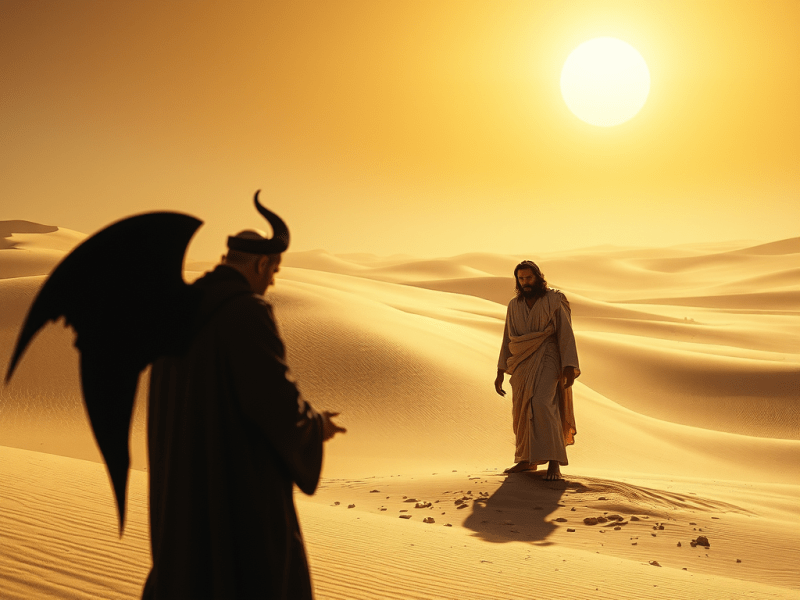
The spiritual meaning of this struggle still obtains today. As we move from Old Wineskins to New Wineskins, from the Ego drama to the Theo drama, from the False Kingdom to the Kingdom of God, we will struggle to die to ourselves. The Prince of Darkness who influences our False Self, will do everything he can to resist the Light of Christ. Peter acknowledges this struggle which he made clear in his post-Pentecost speech to the crowds gathered in the temple precincts: “You denied the Holy and Righteous One…The author of life you put to death, but God raised him from the dead” (Acts 3:14). The crucifixion of our Lord is humanity’s response to the goodness of God. The opposition to Jesus is the divine judgment on the dysfunction of the world. We have to decide which side of the struggle we’re going to be.
Brothers and sisters, just as the Magi were able to overcome the dangerous encounter of evil before Herod, so can we. Why? We know that the Good News cannot be overcome: Jesus is “the light of the world that shines in the darkness and the darkness has not overcome it” (Jn 1:5). So, we ask ourselves, are we enlightened by the light of the Star in the same way the Magi were? Have we found our way to reach the Child? Do we gratefully accept his unconditional love which he showers upon us very moment of our existence. Are we striving to share his love with others? Are we surrendering our whole being to him 100%! Are we living, each in our own way, the experience of the Magi! That’s a good Epiphany question to ask ourselves. Amen.


 WWW.DEACONJIM.BLOG
Leave a comment